Questions to Ask a Clothing Manufacturer Before You Order
Most bad first orders were visible in the first conversation — in the questions that never got asked, or the answers that were allowed to stay vague. A real factory answers specifics with specifics. Evasion early is expensive later.
Ask these before you order, in six areas. For each: the question, and what a good answer actually sounds like, so you can score what you hear. Get the answers that matter in writing, attached to a costing for your actual style.
The Short Version
- Ask how the MOQ is counted before anything else — per style or per colour changes your order size threefold.
- Sampling questions reveal the process: how many rounds, what gets checked, and what your approval actually gates.
- Shipping terms are part of the price — FOB and landed quotes are not comparable numbers.
- Every answer that matters should come back in writing, in a costing for your actual style.
- Ask two or three factories the same questions about the same style. Comparable answers expose the outlier.
The Six Areas at a Glance
| Area | Ask this first | A good answer sounds like |
|---|---|---|
| MOQ & minimums | Is your minimum per style or per colour? | A straight number, with colours and sizes confirmed inside it |
| Sampling | How many rounds, and what do I approve before bulk? | Named rounds, and a pre-production sample as the gate to bulk |
| Fabric | Who sources the fabric, and can I approve the actual cloth? | Sourcing handled, cloth approved on the sample — not from a photo |
| Timelines | What are the stages, and what drives the time in each? | Stages with drivers, not one round number for everything |
| Price & terms | What exactly does this price include — and exclude? | An itemised scope, and the freight/duty basis stated |
| Shipping | How does my order reach me, and who handles customs? | A named route — door-to-door, FOB or courier — with documents covered |
1. MOQ and Minimums
- Is the minimum per style or per colour? The single most important question in this list. Two factories can both say "MOQ 100" and mean orders three times apart.
- Can sizes split inside the minimum, in my ratios? Your size curve is your decision; the factory should sew to it, not to an even split.
- What happens with two styles? Tests whether the minimum is real: each style should carry its own minimum, plainly stated.
2. Sampling and Approval
- How many sample rounds should I expect? A factory with a process names the rounds — proto, fit, pre-production — instead of promising perfection first time.
- Is the pre-production sample made in bulk fabric, with bulk methods? It must be, or you're approving a different garment from the one that ships.
- Does bulk ever start without my written approval? The only good answer is no.
- How should I give feedback? Measurements against the spec, in writing. A factory that asks for that is a factory that works to spec.
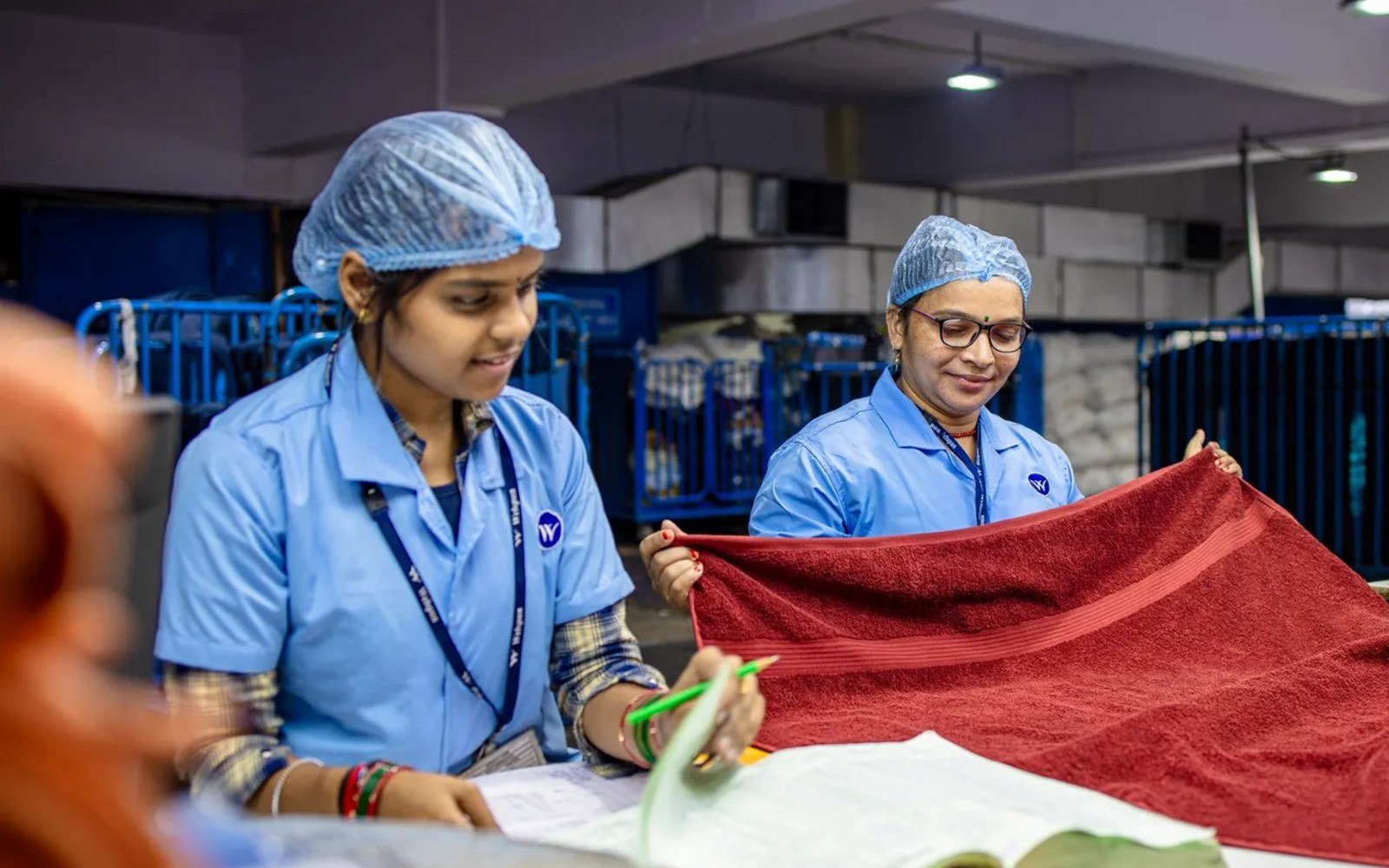
3. Fabric and Construction
- Who sources the fabric — you or me? And can you match a reference cloth if I have one?
- Can I approve the actual fabric before bulk? On the sample, in your hand — not as a photo of a swatch.
- What happens if a fabric becomes unavailable mid-order? You want the substitution process described before it is ever needed.
4. Timelines
- What are the stages, and how long does each take? Sampling, production and shipping are separate clocks.
- What delays orders most often — and which of those are mine to avoid? Slow approvals and late artwork are founder-caused; a good factory says so honestly.
5. Price, Terms and Shipping
- What does the unit price include? Labels, tags, packaging and decoration should be named, in or out.
- Is the quote FOB or landed? The two bases price different things; a quote that won't say which it is can't be compared to anything.
- How do you ship, and who handles the customs paperwork? Door-to-door, port-to-port and courier are different offers wearing similar words.
6. Communication
- Who is my contact? A named person who knows your order, or a ticket queue? At our studio it's H. Kay personally — every enquiry lands with the founder.
- How do I hear about problems? Before they ship, or after? The honest factories raise issues at the sample stage, when they're still cheap.
7. The Meta-Question
- When something goes wrong, what happens? Something always does — a fabric delay, a sample round that misses, a carton short. Ask before you order, and listen for a process: who tells you, how fast, and what the options are. A factory that describes its problem-handling calmly has one. A factory that insists nothing ever goes wrong is telling you the most important thing on this page.
Run the same list past two or three factories, with the same style to cost, and read the answers side by side. The pattern — specific versus vague — is the vetting.
How to find a clothing manufacturer (without getting burned) →
Ask us these questions — get a costing →
Frequently Asked Questions
What is the single most important question to ask? How the MOQ is counted — per style or per colour. The same headline number can mean orders three times apart, and it decides your whole first-order budget.
Should I ask for prices before sending a design? A real factory can't price a garment it hasn't seen. Send the product, quantity and fabric direction, and expect a costing for that style. Be wary of instant generic price lists.
What answers should I get in writing? The MOQ counting, what's included in the price, the shipping basis (FOB or landed), the sampling rounds and the timeline. If it matters, it should be written.
How many manufacturers should I ask? Two or three, with the same questions and the same style to cost. Comparable answers are how you spot the outlier — in both directions.
What does a red-flag answer look like? A minimum that changes when you push on it, a bulk run offered without a sample, or a price with no statement of what's included. Each one costs money later.
Do I need a tech pack before asking these questions? No. Ask with whatever you have — a sketch, photos, a reference garment. The answers tell you whether the factory can build the pack with you.
Ready to cost your style?
Send the product, quantity and fabric you're planning — we'll cost the actual style, 100 per style, sample first.