How to Verify Your Clothing Manufacturer: A Guide to Sourcing from Certified Mills
"Don’t take a manufacturer’s word for granted. In an era of greenwashing and corner-cutting, knowing how to verify your supply chain is essential for brand survival. This guide breaks down exactly how to audit your clothing manufacturer, read complex textile certifications, and ensure your high-end technical fabrics come from truly certified mills."
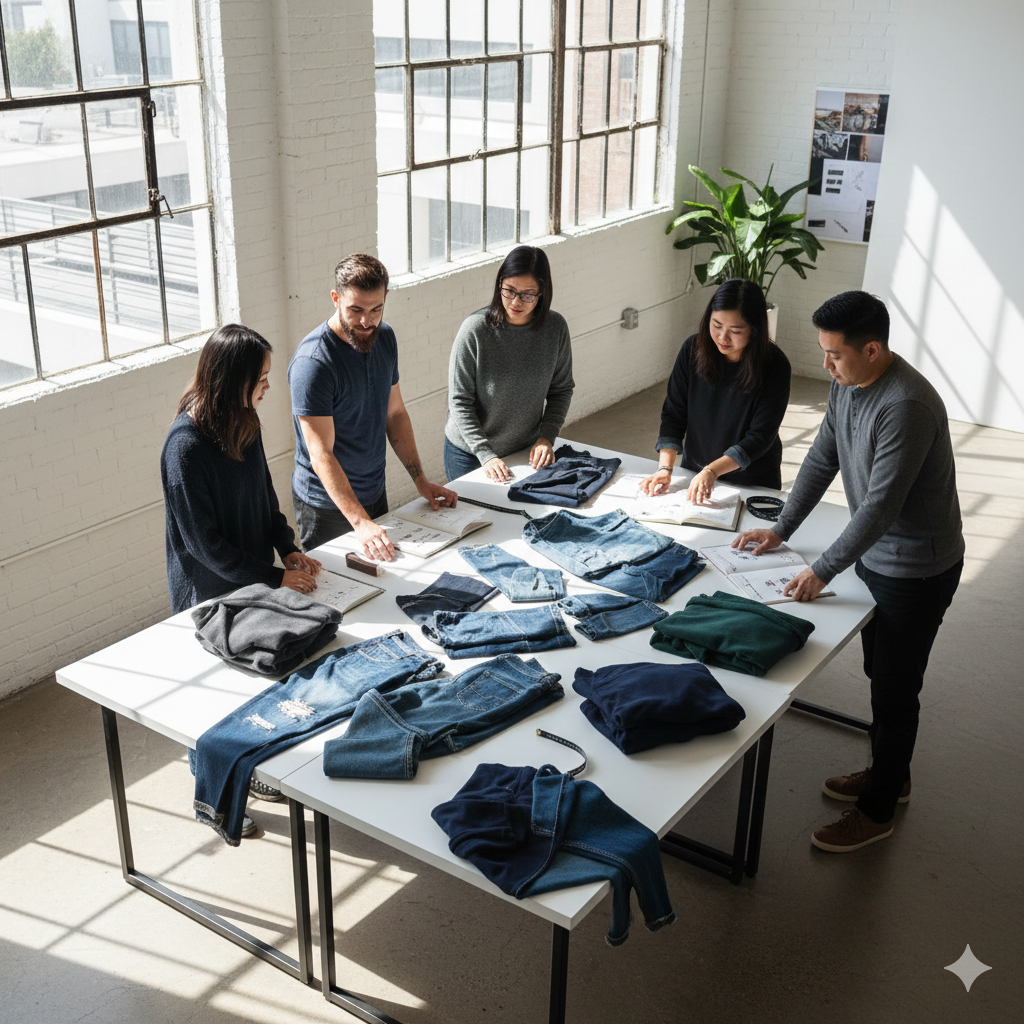
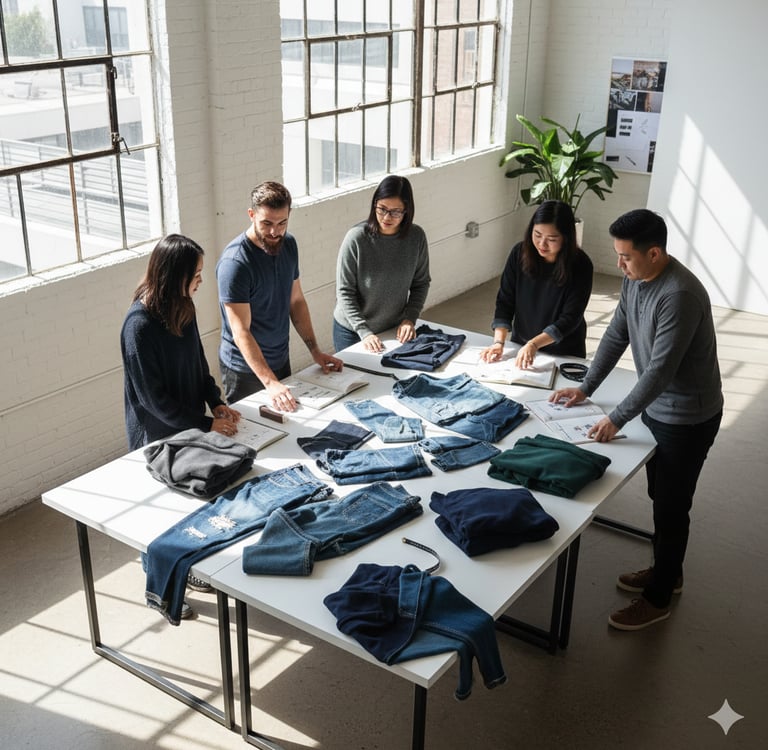
In the high-stakes world of fashion manufacturing, the fabric you choose is more than just material—it is the foundation of your brand’s reputation. For emerging labels and established designers alike, the phrase "quality is key" is often repeated, but rarely defined.
As we move through 2026, transparency is no longer a luxury; it is a market requirement. Consumers are increasingly savvy, demanding to know not just what their clothes are made of, but where the fibers originated and under what conditions they were woven. To protect your investment and ensure your collection stands the test of time, you must know how to verify your manufacturer’s claims.
This guide explores the essential steps to verifying a clothing manufacturer and ensuring your textiles are sourced from truly certified mills.
1. Understand the "Big Three" Fabric Certifications
The first step in verification is knowing what "certified" actually looks like. Not all labels are created equal. When a manufacturer claims to use premium fabrics, you should look for documentation from these globally recognized bodies:
GOTS (Global Organic Textile Standard): This is the gold standard for organic fibers. It doesn't just check the cotton; it monitors the entire supply chain, including chemical use and labor conditions. If you are marketing "organic" products, a GOTS certificate is non-negotiable.
OEKO-TEX Standard 100: While GOTS focuses on "organic," OEKO-TEX focuses on safety. This certification ensures that every component of the garment—from the threads to the zippers—is free from harmful chemicals. It is essential for skin-contact items like t-shirts and hoodies.
Bluesign®: If you are working with technical textiles (waterproof shells, moisture-wicking synthetics), Bluesign is the mark to look for. It guarantees that the factory has minimized its environmental impact, specifically regarding water and energy consumption.
2. Request a "Certificate of Authenticity" (Not Just a Photo)
It is easy for a factory to put an OEKO-TEX logo on their website. It is much harder for them to produce a valid, up-to-date certificate.
A reputable manufacturer should be able to provide a PDF copy of their fabric mill's certifications. When you receive this document, check three things:
The Expiry Date: Certifications must be renewed annually. Ensure the one you are looking at hasn't expired.
The Company Name: Does the name on the certificate match the name of the mill or the manufacturer? If the names are different, ask for a "Letter of Authority" proving the manufacturer is an authorized buyer from that mill.
The Scope: Does the certificate cover the specific material you are buying (e.g., 100% Cotton vs. Polyester Blend)?
3. The Power of "Macro" Sampling
Before committing to a bulk order, you must conduct your own physical verification through sampling. In 2026, "Technical Textiles" are often imitated with cheaper chemical coatings that wash off after three cycles.
Request a fabric header or a swatch book before the garment sample. Once you receive your garment prototype, perform these simple "In-Studio" tests:
The Burn Test: Carefully burn a small thread from the seam. Natural fibers like cotton will smell like burning paper and leave soft ash; synthetics will melt and smell like plastic.
The Weight Check: Use a digital scale to verify the GSM (Grams per Square Meter). If you paid for a 450 GSM heavyweight fleece and the scale shows 300, the manufacturer is cutting corners.
The Stretch Recovery: Technical fabrics should snap back to their original shape instantly. If the fabric stays "baggy" after being stretched, the weave density is too low.
4. Conduct a Virtual or Physical Factory Audit
You don't always need to fly across the world to verify a factory, but you do need to see it.
Ask for a live video tour via Zoom or WhatsApp. A transparent manufacturer will be happy to show you their cutting tables, sewing lines, and—most importantly—their fabric storage area. Look for how the rolls of fabric are labeled. Certified fabrics are usually wrapped in branded plastic from the mill with a clear tracking number.
If you are scaling to large volumes, consider hiring a third-party inspection agency like SGS or Intertek. These companies act as your "eyes on the ground," verifying that the factory's machines and working conditions meet the standards they promised.
5. Why "Mill-Direct" Sourcing Matters
The most reliable manufacturers have direct relationships with the mills. This "short" supply chain reduces the risk of fabric "substitution"—a common practice where a factory quotes you for premium Italian denim but uses a cheaper local imitation to save on costs.
When you work with a partner who prioritizes Tailored Precision, they should be able to tell you exactly which mill produced your fabric. At [Your Company Name], for instance, we maintain a library of certified swatches so our clients can see and feel the difference before production begins.
FAQ: Verifying Your Supply Chain
Q: Can I look up a certificate number myself? A: Yes! Both GOTS and OEKO-TEX have online "Label Check" tools. You can enter the certificate number found on your fabric's documentation directly into their websites to verify its validity in real-time.
Q: What if my manufacturer says the certification is "confidential"? A: This is a red flag. While specific pricing is confidential, the certification itself is a public-facing document designed to prove compliance. If they refuse to show it, they likely don't have it.
Q: Does "Eco-Friendly" mean the same thing as "Certified"? A: No. "Eco-friendly" is a marketing term (Greenwashing). "Certified" means a third party has audited the facility and tested the materials against strict legal and safety standards.
Q: Why are certified fabrics more expensive? A: The cost reflects the rigorous testing, higher-quality raw materials, and fair wages paid to the workers at the mill. Investing in these fabrics reduces your "return rate" and builds long-term customer trust.
The Bottom Line
Verifying your manufacturer is about protecting your brand’s future. By insisting on certified mills and performing your own due diligence, you ensure that your "Crafted Garments" are built to last.
Contact
Reach out for custom orders or questions
Phone
© 2025. All rights reserved.